
What Is People Analytics? Definition, Benefits, Data & How to Leverage It

What Is People Analytics?
Many organizations rely on workforce data to guide decisions about productivity, employee engagement, and performance. So, what is people analytics? It refers to the practice of collecting and analyzing workforce data to understand how employees work and how organizations can improve operational outcomes.
People data analytics is a strategic approach that merges HR expertise with data science to uncover patterns in employee performance, collaboration, and time utilization. By analyzing information from HR systems, productivity tools, and employee feedback, organizations gain a clear understanding of how work actually happens across teams.
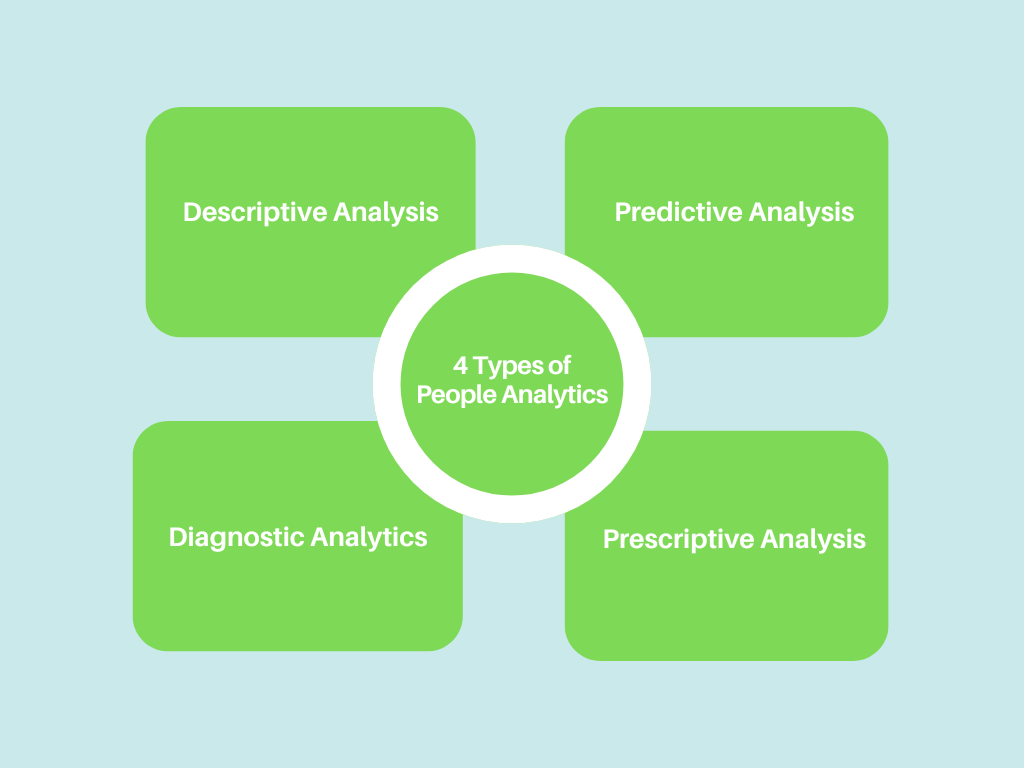
Types of People Analytics
Organizations use different types of people analytics depending on the questions they want to answer about their workforce.
- Descriptive analytics focuses on understanding what has already happened. HR teams often analyze productivity reports, attendance patterns, or engagement data to identify workforce trends. This provides visibility into how teams perform over time.
- Diagnostic analytics examines why specific outcomes occur. For example, if productivity decreases in a department, organizations may analyze workload distribution, collaboration patterns, or operational processes to determine the cause.
- Predictive analytics uses historical data and statistical models to anticipate future workforce trends. Companies often use it to predict employee turnover, estimate staffing requirements, or forecast productivity levels.
- Prescriptive analytics builds on predictive insights and suggests actions that can improve outcomes. Leaders can adjust scheduling, introduce training programs, or redistribute workloads based on these insights.
These analytics approaches help organizations understand workforce behavior and make better decisions about talent and productivity management.
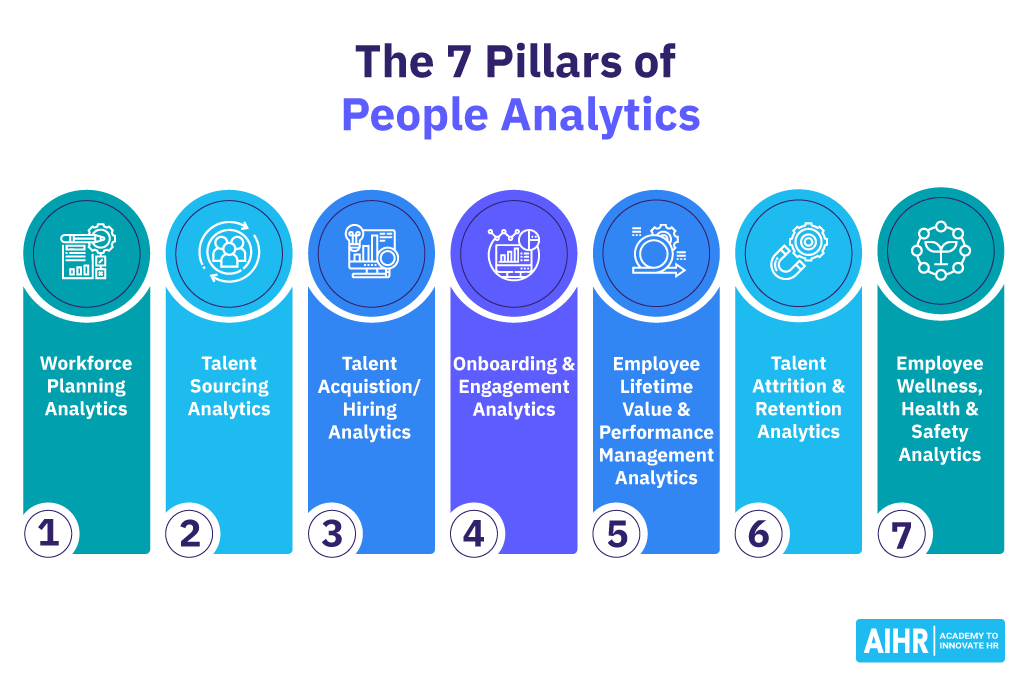
Common Challenges in People Analytics
People analytics offers a powerful way to add value, yet organizations often face significant hurdles when moving from data collection to strategy.
- Defining the Foundation: Success begins with a clear grasp of data sources and tools, requiring constant collaboration across different departments to maintain accuracy.
- Building Capabilities: Organizational size dictates the approach; smaller firms often rely on HR generalists to handle data, while larger companies invest in dedicated analytics teams with specialized technical skills.
- Upskilling for the Future: A major challenge lies in training employees to increase their value and identifying the specific mix of skills that makes a high-performance team successful.
- Scaling and Coordination: As analytics programs grow, HR must work closely with finance and operations to ensure that workforce insights lead to actual changes in how work gets done.
- Managing Change: HR professionals must maintain a strong employee experience despite rapid shifts in work models, ensuring that data-driven decisions remain people-focused.
While these obstacles are common, addressing them directly allows a company to take full advantage of its data and drive long-term success.
Building and Scaling a People Analytics Team
Building a people analytics team is a vital investment for organizations that want to transform raw workforce data into a competitive advantage. Success requires a strategic blend of technical proficiency, organizational context, and a flexible operating model.
- Defining Strategic Goals: The assembly of a team begins with clarity on its objectives. Whether the goal is to predict turnover or understand the employee lifecycle, defining the desired outcome determines the necessary skills and strategy.
- Assembling an HR Analytics Team: A typical team bridges the gap between technical data science and human resources. While data analysts focus on statistics and SQL, HR specialists provide the necessary context regarding talent management and organizational policies. Managers oversee these functions to ensure insights align with business priorities.
- Prioritizing People Analytics Skills: Team members require a mix of technical and soft competencies. Beyond expertise in data visualization and statistical modeling, professionals must develop strong business acumen in financial literacy and internal political awareness to link data insights to operational success.
- Empowering with the Right Tech Stack: To move away from manual spreadsheets, teams need a streamlined tech stack. Starting with a solid HRIS and ATS allows for essential data collection. Providing opportunities to explore new technologies keeps the team’s knowledge current.
- Choosing an Operating Model: The team’s structure should reflect the organization’s size. Options include a Centralized Hub for uniform service, a Hub and Spoke model for divisional support, or a Federated Model where independent teams operate within different business lines.
- Scaling with Growth: While smaller organizations often rely on cross-functional collaboration between HR and data specialists, larger companies typically establish dedicated analytics departments to handle increased complexity. Scaling involves transitioning from basic reporting to advanced predictive modeling.
- Cross-Departmental Synergy: As capabilities grow, consistent collaboration between HR, operations, and finance ensures that workforce insights support broader business goals and foster a data-driven culture.
By carefully selecting an operating model and team structure tailored to specific resources and needs, leaders can ensure that their people analytics team delivers long-term organizational value.
Future Trends: The Growing Role of AI in People Analytics
The integration of AI and machine learning is a major milestone in the future of people analytics, shifting the field from basic reporting to advanced intelligence.
- Market Momentum: Human resources analytics manager is currently the second fastest-growing job in the U.S., highlighting the increasing demand for data-driven leadership.
- Predictive HR Analytics: Organizations use machine learning to identify at-risk talent, source best-fit candidates, and predict high-performing recruits, with 53% of HR professionals already targeting turnover risks.
- Cognitive Decision Support: Advanced processing power allows professionals to use natural language processing to ask complex questions and receive instant, synthesized answers from massive datasets.
- Efficiency and Automation: AI in people analytics improves productivity by supporting employee interactions through chatbots and automating routine data management tasks.
- Emerging Sentiment Analysis: New tools analyze employee feedback and workplace sentiment to provide deeper, more nuanced insights into the overall employee experience.
- Transparency Challenges: While 58% of professionals expect AI to transform data management, many remain concerned about the “black box” problem regarding how these systems reach specific conclusions.
Despite these transparency hurdles, AI continues to drive faster, more accurate decision-making across the modern enterprise.
Frequently Asked Question
What is the main difference between HR analytics and people analytics?
HR analytics focuses on HR metrics, while people analytics uses broader workforce data to support business decisions.
How does people analytics improve employee retention?
Organizations analyze engagement data and workforce trends to identify potential retention risks and address them early.
What are the main types of people analytics?
The main types include descriptive, diagnostic, predictive, and prescriptive analytics.
Which data sources are most useful for people analytics?
Common sources include HR systems, productivity platforms, collaboration tools, engagement surveys, and performance data.
How can AI enhance people’s analytics capabilities?
AI can automate analysis, generate predictive insights, and uncover patterns within workforce data.
What are the key challenges and ethical considerations?
Organizations must ensure data privacy, transparency, and responsible use of workforce information.
What skills are required for a successful people analytics team?
Important skills include data analysis, statistics, visualization, HR knowledge, and the ability to translate insights into business actions.
Learn how ProHance can help

Abhishek Tahlan
Abhishek is a marketing professional with more than 7 years of experience in the field of digital marketing. He has worked in various senior marketing roles across a wide variety of organizations and industries, including EdTech and Tech.
