

Remote Employee Monitoring: Best Practices, Productivity Tracking & Privacy-First Tools

Table of Contents
- What Is Remote Employee Monitoring?
- Best Practices for Remote Employee Monitoring
- Key Benefits of Monitoring Remote Employee Productivity
- How To Monitor Remote Employees Using Software Solutions
- Legal and Ethical Considerations
- Advanced Technologies: AI and Analytics
- ProHance: A Next-Gen Remote Monitoring Solution
- Frequently Asked Questions
Remote work is no longer an exception or a temporary operating model. It has become a permanent component of how modern enterprises function. As teams operate across locations, time zones, and flexible schedules, organizations face a new challenge: how to maintain visibility, productivity, and alignment without relying on physical supervision.
This shift has made remote employee monitoring an essential capability rather than a managerial preference. Leaders today are not asking whether they should monitor remote employees, but how to monitor remote employees in a way that supports productivity, accountability, and trust. Measuring productivity of remote workers requires structured frameworks that focus on outcomes, workload balance, and performance trends rather than activity surveillance.
Remote employee monitoring, when implemented correctly, provides organizations with clarity on how work is progressing, where support is needed, and how to ensure remote work productivity remains sustainable over time.
What Is Remote Employee Monitoring?
Remote employee monitoring refers to the use of structured processes and technology that form the foundation of effective remote workforce management, helping organizations track productivity, workload distribution, and performance trends across distributed and hybrid teams. The purpose of remote employee monitoring is not to observe individual behavior minute by minute, but to enable informed decision-making through aggregated, work-related data.
Organizations use remote workforce oversight to answer practical questions such as whether teams are overloaded, where productivity bottlenecks exist, and how efficiently resources are being utilized. Learning how to monitor remote employees effectively allows leaders to maintain consistency in performance management, even when teams are geographically dispersed.
Modern remote employee monitoring focuses on outputs, utilization patterns, and workflow efficiency. It replaces subjective assumptions with measurable insights, helping organizations align remote work execution with business goals while maintaining transparency and accountability.
Best Practices for Remote Employee Monitoring and Productivity Tracking
While technology plays a critical role, successful remote employee monitoring depends equally on the practices organizations put in place. Remote employee monitoring best practices ensure that productivity tracking remains effective, ethical, and aligned with organizational culture.
Establish Clear Expectations and Goals
The foundation of effective employee productivity tracking lies in clearly defined expectations. Remote employees must understand what success looks like in their roles. Clear goals, deliverables, and timelines provide direction and reduce ambiguity. When expectations are well-articulated, productivity measurement becomes fair and objective rather than subjective.
Focus on Outcomes, Not Micromanagement
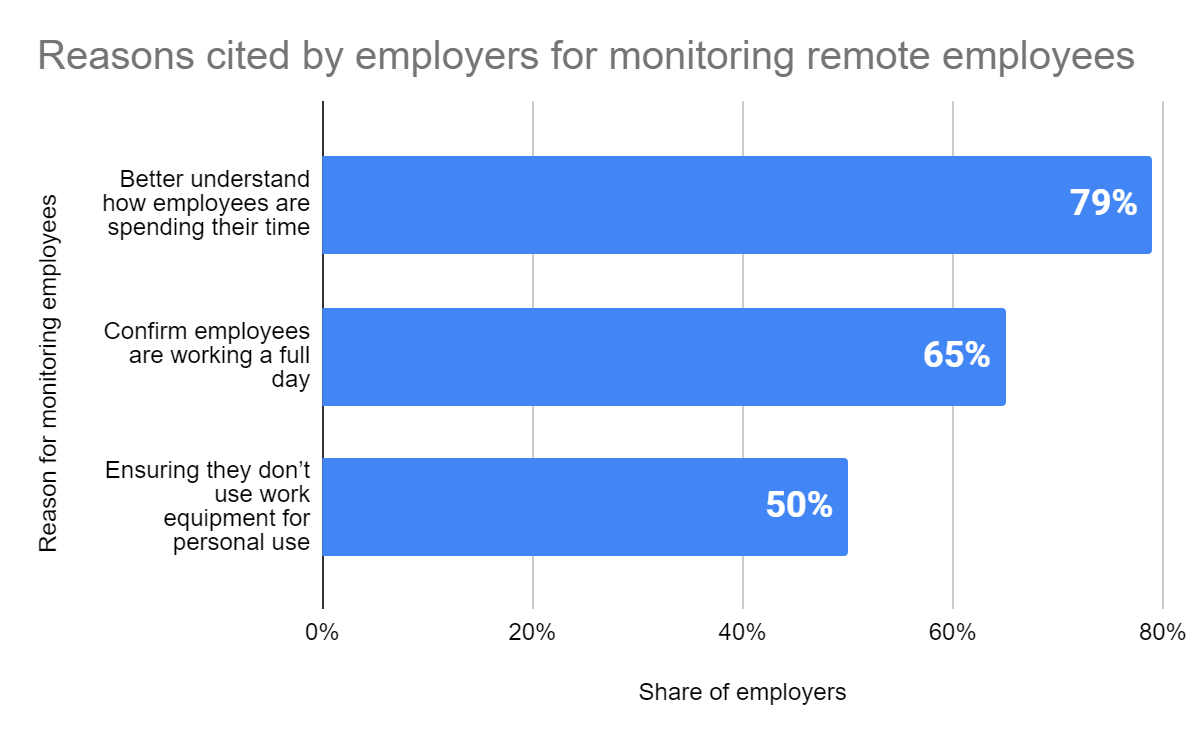
Monitoring remote employees should never translate into micromanagement. Ethical employee monitoring prioritizes outcomes over constant activity checks. Rather than tracking every keystroke or mouse movement, organizations should focus on whether work is completed on time, meets quality standards, and contributes to business objectives. This approach empowers employees while reinforcing accountability.
Balance Monitoring with Privacy and Trust
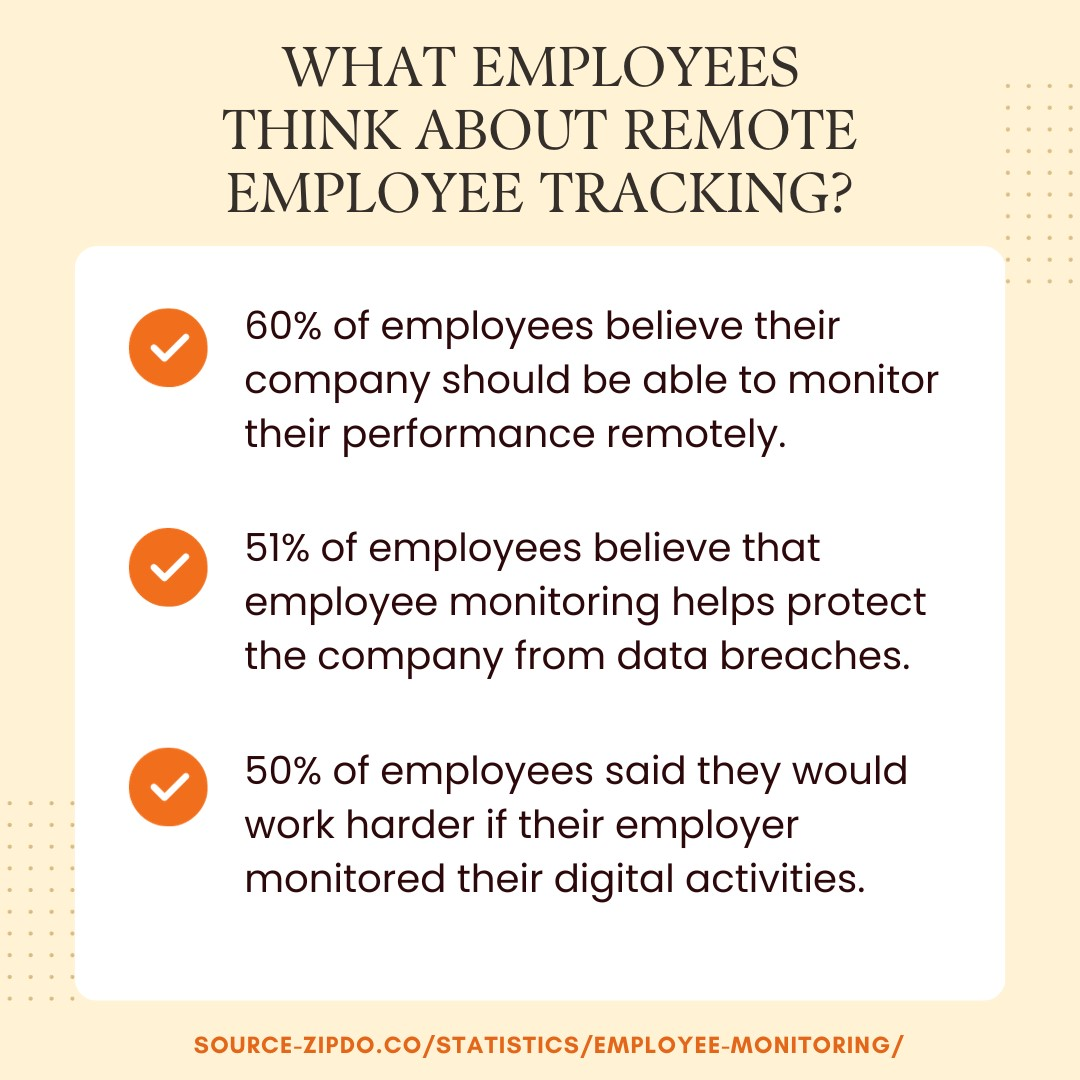
Remote employee monitoring must respect personal boundaries to remain effective. Excessive monitoring erodes trust and can negatively impact morale. Organizations should clearly communicate what data is collected, why it is collected, and how it will be used. Transparency builds confidence and ensures that productivity tracking is perceived as a support mechanism rather than surveillance.
Provide Training and Support
Monitoring tools are only effective when employees understand how to use them. Providing training ensures that employees can engage productively with monitoring systems and use insights to improve their own performance. Employee productivity tracking data can also highlight skill gaps, enabling targeted training interventions.
For example, if productivity data shows that a sales team is not meeting outreach targets, leaders can investigate underlying challenges and design focused training programs rather than assuming underperformance.
Encourage Communication and Collaboration
Remote monitoring should strengthen collaboration, not isolate employees. Organizations must actively promote communication across teams through regular check-ins, shared goals, and collaborative workflows. When productivity tracking complements communication, it enhances engagement and alignment across remote teams.
Key Benefits of Monitoring Remote Employee Productivity Using Software
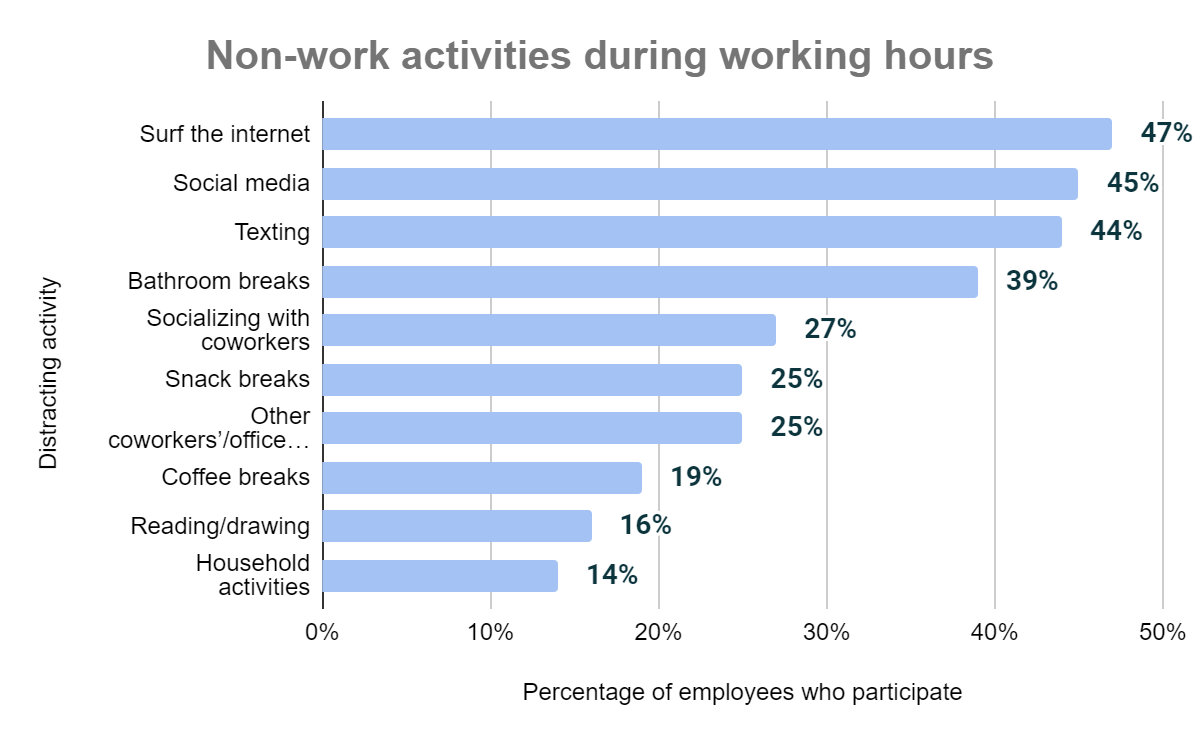
The rise of remote work has fundamentally changed how productivity is measured. Time spent at a desk is no longer a reliable indicator of contribution. This is why employee productivity tracking software has become a critical enabler for modern organizations seeking structured visibility into work output and performance trends.
Remote work monitoring benefits extend beyond oversight. Software-based monitoring bridges the gap between distributed teams and organizational visibility by providing objective, real-time insights.
Improved Accountability and Transparency
Employee productivity tracking tools provide clear visibility into work patterns and progress. This transparency fosters accountability, as employees understand how their contributions align with expectations. Clear data reduces ambiguity and supports fair performance evaluation across remote teams.
Enhanced Time Management and Resource Allocation
Remote work monitoring helps organizations identify time sinks, inefficiencies, and workflow bottlenecks. Integrating workflow automation software enables leaders to streamline processes, reduce manual dependencies, and optimize cross-functional coordination for better operational efficiency. Better time management directly improves operational efficiency and delivery predictability.
Supporting Employee Well-being and Work-Life Balance
Effective remote employee monitoring is not about increasing pressure. It helps organizations identify signs of overwork, prolonged high utilization, or uneven workload distribution. By acting on these signals, leaders can prevent burnout, support employee well-being, and promote sustainable productivity.
Real-Time Data for Informed Decision-Making
Productivity tracking software provides real-time data that enables timely interventions. Leaders can respond quickly to emerging issues, adjust priorities, and make data-driven decisions rather than reacting after problems escalate. Performance analytics for remote teams ensure that decisions are grounded in evidence rather than assumptions.
How To Monitor Remote Employees Using Software Solutions
Once organizations establish clear monitoring principles and best practices, the next step is choosing the right software-driven approach. Remote employee monitoring software enables structured, scalable, and objective productivity tracking across distributed teams. The goal is not to observe individuals continuously, but to gain actionable insights into work patterns, output, and workload balance.
Modern workforce analytics tools provide multiple monitoring capabilities that serve different productivity measurement needs.
Employee Time Tracking Software
Employee time tracking software captures how much time is spent on work-related activities and tasks. For remote teams, this data helps organizations understand utilization levels and capacity distribution without relying on manual reporting. Time tracking supports project planning, effort estimation, and productivity trend analysis while reducing dependency on subjective updates.
Work Time Monitoring
Work time monitoring goes beyond logging hours. It provides visibility into application usage, productive versus non-productive time, and work rhythm patterns. This helps organizations identify inefficiencies, focus areas, and workflow disruptions. When used responsibly, work time monitoring supports performance improvement while respecting employee privacy and compliance requirements.
Work Output Management
Work output management modules focus on delivery rather than activity. These tools track task completion, target versus achievement, deadlines, and output consistency across time periods. Output-based monitoring is especially important for remote environments where outcomes matter more than visibility. It enables leaders to assess performance objectively and keep projects on track.
Screen Capture and Activity Monitoring Tools
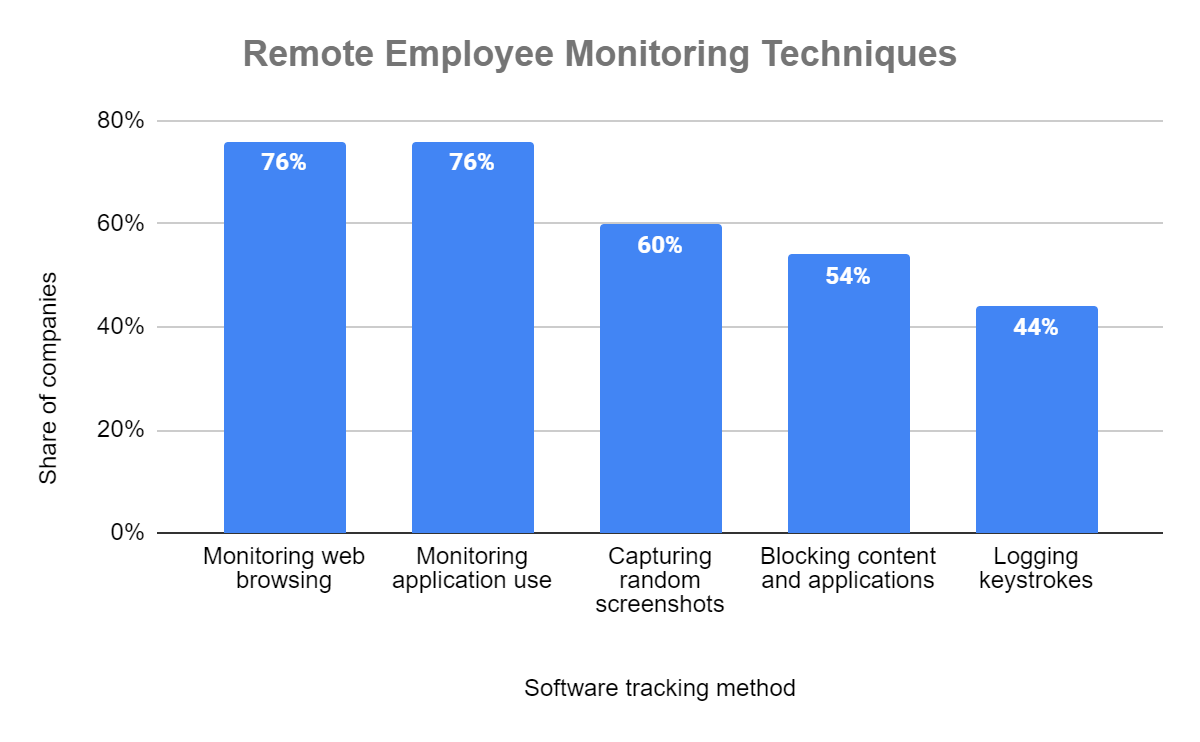
Some organizations use screen capture or activity monitoring tools to understand work context. These tools should be applied cautiously and transparently. Ethical remote employee monitoring limits intrusive data collection and ensures that monitoring aligns strictly with work-related objectives and legal guidelines.
Advanced Performance Analytics and Reporting
Advanced analytics tools consolidate productivity data into meaningful insights through robust workplace analytics software that delivers performance dashboards, utilization intelligence, and productivity analytics to support data-driven workforce decisions. Custom reporting enables organizations to visualize work patterns, identify deviations, and take corrective action. Workforce analytics tools transform raw data into decision-ready intelligence.
Legal and Ethical Considerations in Remote Employee Monitoring
Remote employee monitoring must comply with legal and ethical standards to remain sustainable and trustworthy. Organizations are required to follow applicable data privacy laws such as GDPR, HIPAA where relevant, and regional labor regulations. Legal employee monitoring involves obtaining informed consent, limiting data collection to work-related activities, and securing employee data. Ethical practices emphasize transparency, fairness, and respect for employee privacy. Clear policies ensure remote employee monitoring compliance while protecting organizational credibility and trust.
Advanced Technologies in Remote Work Monitoring: AI and Analytics
AI is reshaping how organizations approach remote employee monitoring. AI-powered productivity analytics analyze large volumes of workforce data to identify trends, patterns, and anomalies that may not be visible through manual review. These insights help leaders move from reactive management to proactive decision-making.
AI remote employee monitoring enables anomaly detection such as sudden drops in productivity, prolonged overutilization, or inconsistent work patterns. This allows organizations to intervene early, redistribute workloads, or address process inefficiencies. AI workforce insights also support predictive analytics, helping forecast capacity needs and identify future performance risks.
As remote and hybrid work models mature, AI-driven monitoring tools are becoming essential for delivering accurate, real-time productivity intelligence. The focus remains on outcomes, efficiency, and sustainability rather than surveillance.
ProHance: A Next-Gen Remote Employee Monitoring Solution
ProHance is a workforce productivity and management platform designed to help organizations monitor remote teams responsibly and effectively. It provides real-time visibility into productivity, utilization, and work patterns without relying on intrusive monitoring techniques.
As a remote employee monitoring software solution, ProHance enables enterprises to track productivity trends, balance workloads, and improve operational efficiency. Its analytics-driven approach supports transparency, compliance, and data-driven decision-making. ProHance helps organizations improve remote work productivity while maintaining employee trust and well-being.
Frequently Asked Questions About Remote Employee Productivity Monitoring
Is Employee Monitoring Software a Good Idea?
Remote productivity tracking software can be a valuable tool for organizations that aim to improve remote productivity. It offers insights into employee activities and helps measure performance against goals.
What are the Challenges of Monitoring Remote Employees?
Managing remote employees presents unique challenges, including maintaining team cohesion, combating feelings of isolation, and ensuring effective communication.
Additionally, it can be challenging to monitor productivity without infringing on employees’ privacy, which is why using the right tools and practices for remote productivity tracking is crucial.
How Do You Identify Good Remote Workers?
Look for qualities such as self-discipline, effective communication skills, the ability to work independently, adaptability to different technologies, and a commitment to meeting deadlines. References and performance reviews can also provide insights.
Why Monitor Employee Workload?
Monitoring employee workload is essential to prevent burnout and ensure a healthy work-life balance.
It helps identify if employees are overloaded with tasks, which can translate into decreased productivity and increased stress. Monitoring workload allows organizations to redistribute tasks and support employees as needed.
How to Support Newly Remote Workers?
Transitioning to a remote work environment can be challenging for employees used to a traditional office environment. To support newly remote workers, companies should provide clear guidelines, offer training on remote employee productivity monitoring tools, encourage regular check-ins with managers and colleagues, and create a culture of flexibility and empathy.
What is the best way to track employee productivity remotely?
The most effective approach focuses on output-based metrics, utilization trends, and performance analytics rather than activity surveillance. Productivity software enables objective and scalable measurement.
Is it legal to monitor employees working remotely?
Yes, remote employee monitoring is legal when organizations comply with applicable data privacy laws, obtain employee consent, and follow ethical monitoring practices.
How can productivity be measured without invading privacy?
By limiting monitoring to work-related data, focusing on outcomes, and using aggregated analytics rather than personal activity tracking.
What tools are commonly used for remote employee monitoring?
Organizations use employee time tracking software, workforce analytics platforms, productivity dashboards, and output management tools.
How does monitoring help prevent burnout?
Monitoring highlights workload imbalances and sustained overutilization. This enables managers to redistribute work, adjust expectations, and support employee well-being proactively.
Learn how ProHance can help

Shikha Mishra
Shikha is a seasoned journalist and PR professional with over 20 years of experience. She has written for prestigious publications such as The Hindustan Times, Times of India, and Gulf News. She specializes in writing, editing, Public Relations and Corporate Communications. Shikha also excels in digital and traditional marketing, social media, and brand building.
