
11 Disengaged Employee Behaviors to Keep an Eye Out For
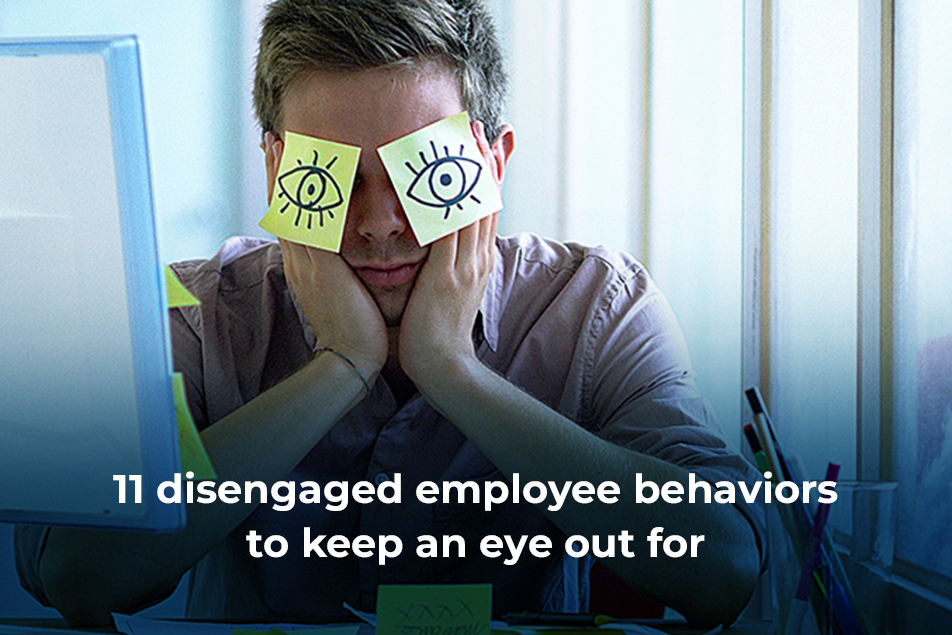
Someone on your team shows up every day. They attend meetings. They submit work on time. But something feels off. That’s disengagement in action. It doesn’t announce itself with a resignation letter. It sneaks in quietly, one missed opportunity at a time.
Most leaders notice when it’s already too late. The cost? Higher than most realize. Projects miss deadlines. Customer complaints increase. Revenue suffers. Last year (2024), the cost of disengagement on the world economy was $438 billion.
But here’s what makes this fixable: Small behavioral changes that happen weeks or months before the real damage hits. Catch them early, and the story changes completely. Tools like ProHance make these invisible patterns visible. Here are 11 signs of employee disengagement.
The 11 Signs of Low Employee Engagement
Spot these early enough, and intervention actually works.
Drop in Work Quality
Quality problems appear first. Sometimes it’s subtle. A slight decline in thoroughness. Less attention to formatting. Fewer follow-up questions to clarify requirements.
Other times it’s obvious. Work that needs immediate revision. Missed specifications. Corners cut that were never cut before.
ProHance’s output analytics track these patterns objectively. When someone’s performance variance report shows a downward trend, that’s a conversation worth having.
Reduced Participation in Meetings
Zoom fatigue is real, but this goes deeper. An employee sits through every meeting without saying a word. No questions. No pushback. No ideas. Just a silent presence.
This withdrawal from collaboration signals something broke in their connection to the work or the team. And silence spreads—when one person stops participating, others follow.
Frequent Absenteeism or Late Logins
Monday sick days become routine. Login times drift from 9 am to 10 am to 11 am. Medical appointments multiply mysteriously. In office settings, this pattern stands out. Remote work makes it easier to hide.
ProHance attendance tracking catches unusual patterns automatically. A sudden shift from consistent presence to frequent absences deserves attention.
Minimal Initiative or Zero Ownership
Remember when certain people went the extra mile? Found creative solutions to problems nobody asked them to solve? That version is gone.
Now they wait for explicit instructions. Do exactly what’s asked, nothing more. When projects hit unexpected roadblocks, they wait for someone else to figure it out. This behavior signals signs of employee disengagement at a fundamental level.
Withdrawal from Team Interactions
The slow fade from team life happens gradually. First, they skip the optional social events. Then they stop responding in group chats.
Disengaged employees build invisible walls between themselves and everyone else. Information stops flowing naturally. Collaboration becomes forced instead of organic. Team cohesion requires actual connection. When someone opts out completely, everyone feels it.
Increased Idle Time or Low Active Hours
Someone used to log consistent 8-hour productive days. Suddenly, their active work time drops to 5 hours. Then 4. The pattern speaks volumes.
ProHance’s Work Time Module captures these shifts in real time. Extended idle periods. Significant drops in application usage. Changed work rhythms.
The data strips away guesswork. Something changed. Time to find out what.
Avoidance of Extra Responsibilities
“Can you lead this project?” gets met with excuses. Every opportunity for growth or visibility gets declined. Leadership roles? Too busy.
The employee who used to raise their hand for everything now volunteers for nothing. Career development stops mattering to them. This avoidance of anything beyond the bare minimum screams disengagement.
Resistance to Feedback or Change
Constructive feedback that would have sparked a productive conversation now triggers defensiveness. Suggestions for improvement get dismissed immediately.
“New processes face automatic resistance. Organizational changes get criticized before anyone’s even tried them. Some disengaged employees comply on the surface while resisting underneath.
These signs of employee disengagement run psychological. The relationship with the employer has fundamentally broken down.
More Mistakes and Repeated Rework
Error rates climb noticeably. Work that should be routine needs multiple revision cycles. The same mistakes happen repeatedly. Specifications clearly outlined in the brief get ignored completely. Quality checks catch problems that never should have happened.
Other team members spend extra time fixing issues. Project timelines extend. Frustration spreads. Clear signs of low employee engagement show up in the work product. Quality and consistency both decline measurably.
Lack of Learning or Skill Improvement
Disengaged employees show zero interest in professional development. Growth feels pointless when you’re mentally halfway out the door. Industry evolves. Technologies change. Their skills stay frozen in place.
This stagnation hurts the employee’s career prospects and limits the organization’s ability to adapt to market changes.
Negative Attitude or Visible Frustration
Complaining becomes constant. Every company announcement gets met with cynicism. Team meetings turn into venting sessions.
This is probably the most obvious sign of employee disengagement. One pessimistic voice makes others question their own experience. Team morale drops. Psychological safety evaporates. Good employees start updating their resumes.
How ProHance Identifies Disengagement Before It Spreads?
Annual performance reviews happen too late. By the time that conversation occurs, someone’s been disengaged for months. ProHance changes this completely.
Real workload visibility eliminates guesswork.
The platform shows exactly who’s overwhelmed and who’s underutilized. Signs of employee disengagement appear in changing work patterns before any project suffers.
Time analytics reveal behavioral changes.
Active work hours drop from 8 to 5. Idle time increases. Login patterns shift. The system flags these anomalies immediately instead of waiting for someone to notice them subjectively.
Output tracking provides hard evidence.
Performance among disengaged employees becomes measurable instead of anecdotal. Managers enter coaching conversations with specific data points, not vague feelings.
Workflow insights catch early warnings.
Before signs of low employee engagement turn into serious performance problems, the analytics show changing collaboration patterns. Task completion rates are shifting. Project participation is declining. All is visible in dashboards instead of hidden in the noise.
Predictive capabilities prevent problems.
ProHance doesn’t just report current states. It projects trends. Burnout risk scores identify who’s headed for trouble. Utilization imbalances show where disengagement might take root next.
5 Practical Steps to Fix Disengagement
Finding disengaged employees is step one. Fixing the issue requires different tactics.
- Redistribute Workload Based on Real Data
- Make Expectations Crystal Clear
- Build Recognition Into Regular Operations
- Strengthen Communication Rhythms
- Create Real Growth Opportunities
Redistribute Workload Based on Real Data
ProHance shows actual capacity across teams in real time. Balance assignments using facts. When workload distribution feels fair, engagement improves without any other intervention needed.
Make Expectations Crystal Clear
What does success look like? What are the actual priorities? How does this task connect to larger goals? Answer these questions explicitly. Remove any room for guessing.
Build Recognition Into Regular Operations
Make recognition frequent and specific. Use ProHance data to celebrate concrete achievements.
Recognition directly counters signs of low employee engagement.
Strengthen Communication Rhythms
Weekly one-on-ones create space for real conversation before problems compound. Understand what obstacles people face. Provide support proactively instead of reactively. Use ProHance insights to guide discussions.
Create Real Growth Opportunities
Generic training programs don’t rebuild motivation. Relevant learning that advances someone’s career does. Offer development opportunities tied to actual goals.
Disengagement Is Controllable With Early Action
Disengagement builds gradually through dozens of small disappointments, unclear expectations, and moments when contributions went unnoticed.
The good news? That same gradual process creates opportunities for intervention.
High-engagement organizations share one critical capability: visibility into what’s actually happening with their teams. ProHance provides exactly that. The modules show exactly what’s happening across your workforce in real time.
Explore ProHance today and build teams where engagement is the norm, not the exception.
FAQs
Why do disengaged employees affect teams so quickly?
Disengagement creates chain reactions that accelerate quickly. One person’s performance dip delays the whole project. Negativity spreads in meetings and casual conversations. Morale drops across the board.
How can managers actually reduce signs of low employee engagement?
Balance workload using data instead of assumptions. Set crystal-clear expectations. Recognize contributions regularly. Communicate frequently about obstacles and support needs. Create genuine growth opportunities. ProHance analytics make all of this more effective by removing guesswork.
Can technology really identify disengaged employees?
Technology removes the subjectivity that causes delayed detection. ProHance tracks work patterns, productivity metrics, collaboration frequency, and time utilization constantly.
Anomalies that signal disengagement get flagged automatically.
Learn how ProHance can help

Anshul Jain
As Head of Marketing for ProHance, Anshul spearhead global marketing initiatives, championing product promotion, brand awareness, and engaging communications. He indulges his passion for writing, crafting captivating content that resonates with our audience whenever possible.
