What Is IT Asset Optimization and Why Is It Important?
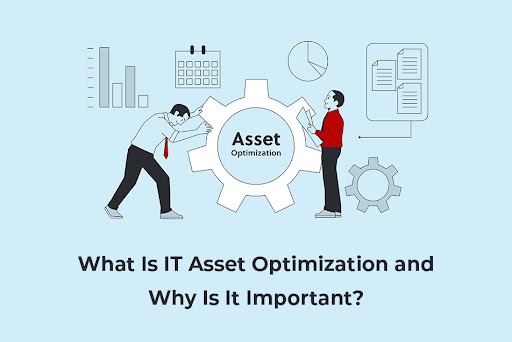
Table of Contents
Research shows that 29% of IT assets remain underutilized across most enterprises. This contributes to cost leakage in an enterprise. Online IT asset management and optimization fix this problem. It’s more than tracking what you own.
The process maximizes value from every piece of technology in your organization. Think laptops, servers, software licenses, and mobile devices. Everything gets analyzed. Usage patterns emerge and waste gets eliminated. Productivity improves.
Smart companies see immediate results. Cost reductions happen fast. Teams get better tools. Security strengthens. The transformation can be dramatic.
What Is IT Asset Optimization?
Traditional IT asset management (ITAM) creates lists. IT asset management and optimization create value. The difference matters enormously.
ITAM asks: “What do we own?” Asset optimization asks: “How well does what we own serve our business?”
The optimization process follows three stages:
- Smart procurement – Buy based on real needs, not guesses
- Active monitoring – Track how assets actually get used
- Strategic disposal – Retire or repurpose at the right time
Each IT asset management and optimization stage generates data. That data drives better decisions. Future investments become smarter. Here is what happens without proper IT asset management and optimisation:
🔹 Around 30% of IT assets simply go missing—vanishing without a trace or never being tracked properly.
🔹 Nearly one-third of purchased assets aren’t even recorded in the system, slipping through the cracks from day one.
🔹 Surprisingly, 1 in 4 organizations haven’t checked their asset inventory in over five years, leaving them in the dark about what they actually own.
Importance of IT Asset Management: Why Does It Matter?
Money Talks
The financial impact hits immediately. Unused software licenses and underutilized hardware waste capital. Consider these common scenarios:
- Marketing bought design software that only two people use
- Accounting has expensive licenses for tools they abandoned
- Sales teams share outdated laptops while powerful desktops sit unused
- Multiple departments purchased similar software independently
These problems multiply across large organizations. Optimization fixes these issues fast.
- License audits reveal duplicates.
- Usage analysis identifies redistribution opportunities.
- Budget planning becomes data-driven.
The money recovered often pays for optimization tools multiple times over.
Productivity Boost
Nothing frustrates employees more than a lack of proper tools. Asset optimization ensures the right resources reach the right people.
- Performance monitoring spots bottlenecks.
- Aging hardware gets identified before it impacts work.
- Strategic upgrades happen proactively, not reactively.
- Standardization opportunities emerge.
When departments use compatible tools, collaboration improves. Training costs decrease. Support becomes simpler.
Security and Compliance
Outdated software and unused applications expand attack surfaces unnecessarily. Asset optimization maintains current inventories.
- Security teams get the data they need for patch management. Threat assessments become more accurate.
- License compliance stays manageable. Accurate software counts prevent audit penalties. Legal usage gets verified across all systems.
- Shadow IT gets discovered early. Unauthorized software installations get addressed before creating problems. Approved alternatives are provided.
Strategic Planning
Usage analytics spot trends and inform future decisions. Investment priorities get clarified.
- Organizations learn which software truly supports business goals and aligns technology roadmaps with actual needs.
- Capacity planning improves dramatically. Infrastructure investments happen at the right time. Over-provisioning gets avoided. Growth demands get met precisely.
| Benefit | Impact |
| Cost savings | Reduce idle software/hardware expenses |
| Improved productivity | Ensure the right tools are available |
| Enhanced security & compliance | Manage licensing, patching, and audits |
| Data-driven decisions | Track usage patterns to plan future investments |
| Sustainability | Reduce tech waste through smart reuse |
Key Components of Asset Optimization
The following are the key components of IT asset management and optimisation.
- Inventory tracking (hardware/software)
- Usage analytics (seat utilization, active licenses)
- Lifecycle management
- License compliance
- Asset retirement/disposal
Complete Inventory Control
Success starts with knowing everything you own. Modern discovery tools work automatically.
- Hardware specs get detected.
- Software installations get catalogued.
- Network devices get mapped.
Automated discovery ensures accuracy. Cloud assets need special attention since traditional scans might miss them. Real-time updates prevent information gaps. Assets get tracked as they’re added, modified, or retired.
Usage Intelligence
Static inventories tell incomplete stories. Usage analytics reveal the complete picture. Which assets actively contribute to business operations? Which consumes resources without providing value?
Critical metrics include:
- Login frequency for software applications
- Duration of application usage sessions
- Hardware performance characteristics
- Seat utilization rates across different tools
Software usage data proves particularly valuable. Many organizations discover they’re paying for far more licenses than needed. Other critical applications show under-licensing that creates productivity bottlenecks.
Hardware patterns guide maintenance schedules. Heavy-use devices might need proactive upgrades. Lightly-used equipment could be reassigned to employees with greater needs.
Lifecycle Management
Structured processes and standardized approaches ensure maximum asset value. Consistency gets maintained across asset types and locations.
- Procurement gets smarter: Usage forecasting relies on historical data. Business growth projections guide quantities. Shortages and excess inventory are both prevented.
- Retirement gets strategic: Data security requirements get met. Environmental compliance stays intact. Asset recovery value gets maximized.
License Compliance
Compliance tracking becomes challenging without proper tools. Regular audits identify problems early:
- Usage exceeding purchased licenses creates legal risks.
- Over-licensing reveals cost reduction opportunities.
- Cloud subscriptions often auto-renew without oversight.
Regular reviews ensure alignment with actual business needs.
Smart Disposal
Secure asset disposal protects sensitive data. Environmental regulations require proper electronic waste handling.
- Data sanitization must meet industry standards. Simple file deletion isn’t sufficient. Specialized software or physical destruction might be required.
- Remarketing programs recover substantial value. Retired equipment often has remaining useful life. However, data sanitization and contractual obligations affect timing and procedures.
How ProHance Transforms IT Asset Management and Optimization?
Real-Time Intelligence
ProHance delivers comprehensive visibility into device usage patterns. The platform works across distributed teams and hybrid environments regardless of the location.
- Hardware utilization gets tracked automatically.
- Software usage gets monitored without manual intervention.

Smart Analytics
Raw data becomes actionable intelligence. Reports highlight specific optimization opportunities:
- Unused software licenses are ready for cancellation
- Underutilized hardware suitable for redistribution
- Consolidation opportunities across departments
- Cost optimization recommendations
Analytics engines identify subtle trends. For example:
- Seasonal usage patterns might suggest flexible subscription models.
- Performance degradation gets detected before impacting productivity.

Multi-Team Insights
Different stakeholders need different information:
- IT Teams receive technical details about hardware performance and software utilization patterns.
- Finance Teams access cost optimization recommendations and budget planning data.
- Administrative Teams get occupancy and space utilization insights for facility planning.
Cross-functional visibility reduces departmental conflicts. Resource allocation decisions consider all relevant factors.


Automation Capabilities
Automated reporting reduces administrative overhead. Stakeholders receive timely information for decision-making.
- Workflow automation triggers actions based on usage patterns.
- Unused licenses get flagged automatically.
- Hardware needing replacement gets identified proactively.
Take Control of Your IT Assets
Asset optimization transforms technology spending from necessary overhead into a competitive advantage. Companies achieve significant cost savings while improving productivity and security.
Ready to gain full control over your IT assets? Book a ProHance demo today and discover how intelligent asset optimization can transform your technology investments into measurable business results.
Frequently Asked Questions
What’s the difference between ITAM and asset optimization?
ITAM focuses on tracking assets to maintain inventory accuracy. Asset optimization adds intelligence to maximize value from those assets.
Why does asset optimization matter for hybrid teams?
Hybrid work creates visibility challenges. Devices sit idle in offices while remote employees need better equipment. Optimization ensures the right tools reach the right people regardless of location.
How can companies start optimizing assets?
Begin with comprehensive asset discovery.
- Implement monitoring tools for real-time usage visibility.
- Analyze data to identify quick wins like unused licenses or underutilized hardware.
- Establish regular review processes to maintain optimization over time.
Learn how ProHance can help

Piyush Gupta
Sr Vice President, Head - Research & Innovation, ProHance
