
What Is Asset Lifecycle Management & Why Is It Important?
Smart organizations don’t just buy assets and hope for the best. They plan, track, and optimize. This approach is called asset lifecycle management (ALM).
Asset lifecycle management guides businesses through every stage of owning an asset, from the first purchase decision to the final disposal.
The IT asset management lifecycle specifically deals with technology resources. Asset lifecycle planning makes sure companies get the most value from every dollar spent.
What Is Asset Lifecycle Management?
Asset lifecycle management tracks and optimizes organizational assets throughout their entire operational life. It shows exactly when to buy, deploy, maintain, and retire each asset.
The IT Asset Management Lifecycle: Six Essential Stages
The IT asset management lifecycle breaks down into six clear stages:
Planning
Companies assess their needs first. What assets do teams actually need? What gaps exist in the current infrastructure? This stage involves:
- Analyzing current systems
- Identifying missing capabilities
- Setting specifications that match business goals
- Creating procurement strategies
Procurement
Time to acquire the assets. This means more than just buying equipment. Organizations need to:
- Select reliable vendors
- Negotiate favorable contracts
- Ensure compliance with company standards
- Meet regulatory requirements
Deployment
New assets get integrated into existing systems. The deployment process includes:
- Installing and configuring equipment
- Registering assets in company systems
- Assigning assets to users
- Setting up security protocols
Utilization and Operation
Assets start delivering value. During this active phase, assets:
- Support daily business operations
- Contribute to team productivity
- Generate returns on investment
- Enable business growth
Maintenance and Optimization
Ongoing care keeps assets running smoothly. This stage covers:
- Preventive maintenance schedules
- Security updates and patches
- Performance monitoring
- System optimization
Retirement and Disposal
Eventually, all assets reach end-of-life. Proper retirement involves:
- Data sanitization and security
- Environmentally responsible disposal
- Documentation for compliance
- Asset decommissioning
Asset lifecycle planning connects these stages with strategic thinking. Companies avoid reactive decisions. They plan ahead. They save money.
Why Is Asset Lifecycle Management Important?
Here are some reasons why Asset Lifecycle Management is necessary:
- Cost Efficiency
- Risk Management
- Productivity Gains
- Sustainability Benefits
- Strategic Insights
Cost Efficiency
Proper asset management cuts expenses significantly. Companies extend the lifespan of their assets through regular maintenance. They avoid emergency purchases at premium prices. Bulk buying agreements reduce per-unit costs.
Risk Management
Companies can track compliance status across all assets. They apply security updates on time. Data breaches become less likely through secure disposal practices. Regulatory compliance gets easier, too. Audit trails show exactly when assets were deployed, updated, and retired. This documentation protects companies during regulatory reviews.
Productivity Gains
When your equipment is well updated, it encounters fewer failures. Teams spend less time troubleshooting problems. Work flows more smoothly.
Sustainability Benefits
Asset lifecycle management supports sustainability goals through:
- Extended asset lifespans
- Proper recycling programs
- Responsible disposal methods
- Reduced electronic waste
Strategic Insights
Comprehensive asset data reveals important business patterns. Companies discover:
- Which assets deliver the best ROI
- Where utilization rates are highest
- When replacement cycles should occur
- How capacity needs are changing
These insights drive better investment decisions.
Common Challenges in Asset Lifecycle Planning
Lack of Asset Visibility
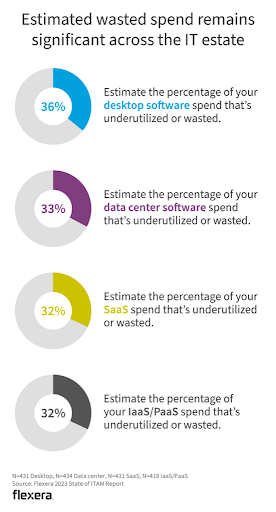
Many companies operate blindly. They don’t know which assets are underused. They can’t identify optimization opportunities. This leads to:
- Over-provisioning in some departments
- Resource shortages in others
- Wasted IT budgets
- Poor allocation decisions
Inconsistent Maintenance Tracking
Manual tracking creates problems. Maintenance schedules get missed. Equipment fails unexpectedly. Companies lose track of:
- Service histories
- Warranty coverage
- Performance trends
- Replacement needs
Unclear Accountability
Multiple teams often share asset responsibilities. Nobody owns the complete process. Important tasks fall through cracks. Assets receive inadequate attention.
Outdated Management Methods
Spreadsheets don’t scale well. Paper-based processes create delays. Error rates increase. Companies struggle with:
- Data accuracy
- Real-time visibility
- Process automation
- Scalability challenges
Top 5 Best Practices for Effective IT Asset Management Lifecycle
Maintain a Centralized Asset Inventory
Single source of truth matters. All asset information should live in one system:
- Asset specifications and configurations
- Procurement and financial details
- Deployment and assignment records
- Maintenance and service history
- Utilization and performance data
Automate Asset Tracking
Modern tools eliminate manual effort. Automated systems provide:
- Real-time asset discovery
- Configuration change monitoring
- Utilization pattern analysis
- Performance metric collection
Automation increases accuracy. It reduces administrative overhead. Teams focus on strategic decisions instead of data entry.
Conduct Regular Audits
Scheduled audits maintain data integrity. Regular reviews verify:
- Physical asset locations
- Software license compliance
- Security configuration status
- Record accuracy
Audits catch discrepancies early. They prevent compliance violations. They maintain system reliability.
Align Assets with Business Goals
Asset planning considerations include:
- Strategic business initiatives
- Growth and expansion plans
- Operational efficiency targets
- Budget and resource constraints
This alignment ensures technology investments deliver measurable business value.
Use Data for Predictive Planning
Predictive insights and real-time data reports help companies:
- Anticipate replacement needs
- Optimize upgrade timing
- Calculate the total cost of ownership
- Plan capacity requirements
Data-driven decisions reduce costs and minimize risks.
How ProHance Supports Asset Lifecycle Management?
Real-Time Asset Visibility
ProHance tracks asset utilization across the entire organization. The platform shows:
- Current usage patterns
- Peak demand periods
- Underutilized resources
- Performance bottlenecks
This visibility enables immediate optimization decisions.
Data-Driven Resource Optimization
Usage analytics reveal optimization opportunities. ProHance identifies:
- Assets that could be redistributed
- Configurations that need adjustment
- Capacity that could be reallocated
- Performance improvements to implement
Idle Asset Identification
Hidden costs emerge from unused assets. ProHance spots:
- Equipment sitting idle
- Software licenses going unused
- Resources are consuming power unnecessarily
- Maintenance costs for unproductive assets
Companies can reassign these assets or retire them entirely.
Strategic Decision Support
Asset lifecycle planning becomes easier with comprehensive data. ProHance provides:
- Total cost of ownership calculations
- Performance trend analysis
- Utilization pattern insights
- Replacement timing recommendations
Moving Forward with Smart Asset Management
The IT asset management lifecycle has become business-critical. Technology environments grow more complex each year. Manual management approaches can’t keep pace.
Companies investing in intelligent asset lifecycle planning gain clear advantages:
- Lower operational costs
- Reduced compliance risks
- Higher employee productivity
- Better strategic planning capabilities
ProHance provides the visibility and insights needed to optimize technology investments throughout their operational lifespans. Partner with ProHance to transform asset management from a cost center into a competitive advantage.
FAQs
How does asset lifecycle planning benefit businesses?
Asset lifecycle planning:
- provides predictable budgets,
- extends asset lifespans, and
- prevents operational disruptions.
Companies can plan upgrades strategically instead of reacting to failures.
What types of assets are covered under asset lifecycle management?
Asset lifecycle management covers:
- IT equipment (laptops, servers, software),
- physical infrastructure,
- manufacturing equipment, and
- digital resources.
Any business asset can benefit from lifecycle management.
How does ProHance support asset lifecycle management?
ProHance provides real-time asset visibility, utilization analytics, and optimization recommendations. It helps you to make data-driven decisions about asset allocation, maintenance, and retirement.
Learn how ProHance can help

Piyush Gupta
Sr Vice President, Head - Research & Innovation, ProHance