
What Is Task Management? Methods, Tips & Software for Teams


Why Task Management Matters for Teams?
Effective task management transforms team dynamics by replacing scattered efforts with structured clarity. Breaking large projects into smaller, manageable pieces improves productivity and makes it easier for members to stay on task while avoiding distractions.
This approach strengthens collaboration, accountability, and transparency through these key impacts:
- Enhances Teamwork: It allows everyone to see specific roles, responsibilities, and real-time progress, ensuring total alignment.
- Helps Meet Deadlines: Constant monitoring ensures nothing is missed, allowing work to be completed in a timely manner.
- Optimizes Workflows: Transparency in task ownership leads to faster decision-making and more efficient project transitions.
- Reduces Stress: When work is organized and planned, the team avoids the anxiety of forgetting important details.
- Aids Long-Term Goals: Managing daily operations effectively develops the momentum needed to reach larger organizational objectives.
By adopting these practices, teams work smarter and achieve consistent results with less chaos and more clarity.
Core Components of Effective Task Management
To manage workflows successfully, you need tasks that are simple to follow and well-structured. Breaking down these essential elements ensures everyone knows what to do and stays accountable:
- Title and Description: Use clear, actionable language focused on the end goal so there is no guesswork involved.
- Owner and Responsibilities: Assign a specific lead and list key stakeholders to remove any confusion over who is driving the work.
- Status and Priority: Categorize every task by its urgency and track progress through stages like Planned, In Progress, or Completed.
- Timeline and Effort: Set firm start and end dates to keep expectations clear for the whole team and ensure timely delivery.
- Dependencies and Subtasks: Call out tasks that rely on others and break big, complex projects into smaller, bite-sized steps.
- Attachments and Resources: Provide the necessary templates or background files so the assignee can get straight to work without hunting for information.
Organizing tasks this way cuts through the noise and keeps the team moving in the same direction.
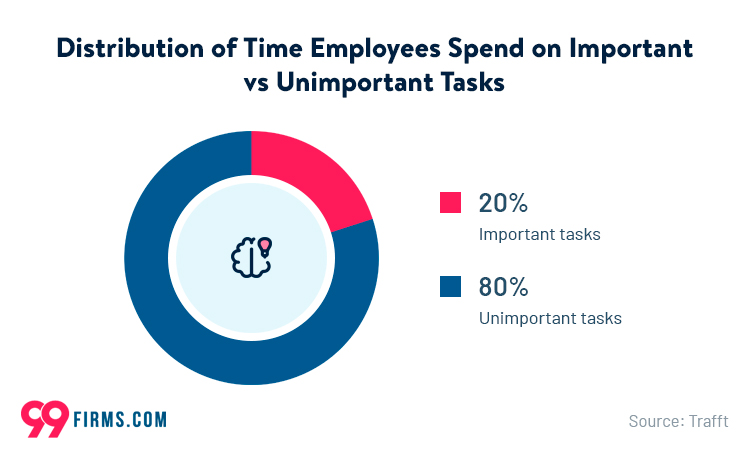
Source- https://99firms.com/blog/time-management-statistics/#gref
Popular Task Management Methods & Tips
Choosing a task management approach depends on your team’s goals, how you work together, and individual preferences. Using a specific method helps keep everyone moving forward and aligned on what matters most. Here are several practical frameworks:
- To-Do Lists: This is the most basic way to manage tasks. It works well for organizing daily work, especially if you rank items by importance. A helpful tip is to pick the six most critical tasks each day and tackle them in order of urgency.
- Kanban Boards: This visual system uses digital boards or sticky notes to see your workflow. Tasks move through columns like “To Do,” “In Progress,” and “Completed.” This horizontal view makes it easy for the whole team to see progress and identify bottlenecks.
- Timeboxing: This method involves putting tasks directly into your calendar with a set amount of time to finish them. You can pair this with the Pomodoro technique, which means focusing intensely for 25 minutes and then taking a 5-minute break.
- Agile & Scrum: This is built for teamwork and often uses two-week cycles called sprints. Teams stay in sync with short daily meetings. A standard team includes a product owner, a scrum master, and the people doing the core work.
- Getting Things Done (GTD): This system is about clearing your head by recording every pending task in one place. You break big projects into small, actionable steps so you can stay organized without worrying about forgetting something.
Using these methods helps teams work with more purpose and turns daily to-dos into a clear path toward bigger goals.
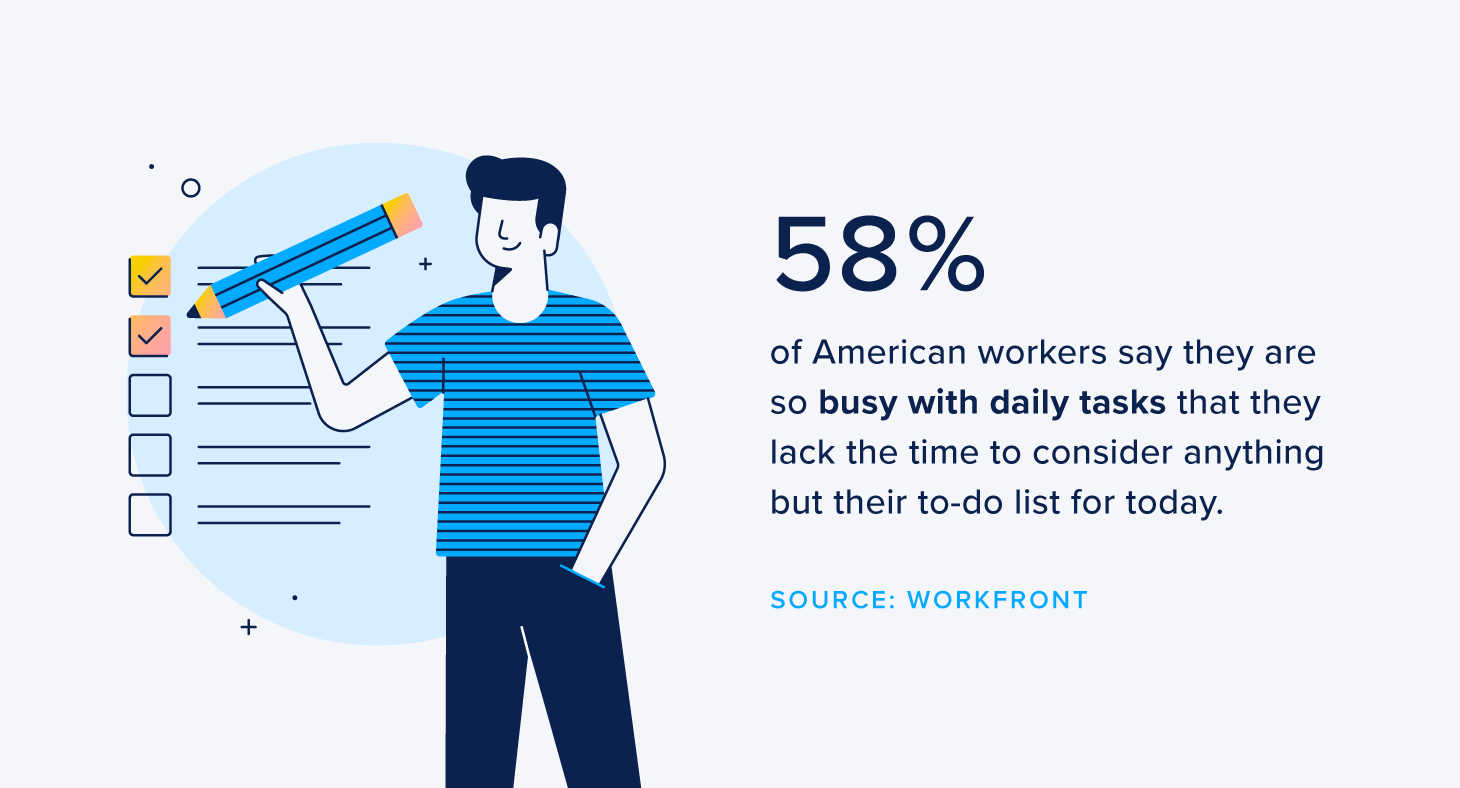
Source- https://www.zoomshift.com/blog/time-management-statistics/
Common Task Management Challenges and Solutions
Teams often face problems when managing work across different apps, leading to confusion and lost information. These core issues often get in the way of a team’s ability to stay productive:
- Lack of Visibility: When tasks are spread across notes and various apps, important work becomes hard to find, causing teams to work alone without knowing shared goals.
- Shifting Priorities: Without one main place for info, teams struggle to change direction when plans shift, leading some to waste time on old tasks.
- Unclear Ownership and Missed Deadlines: Tracking work by hand in spreadsheets often leads to mistakes, which result in double work or late results for clients.
- Scattered Communication: Information is lost when a task is set in one tool but talked about in an email, forcing people to look in many places for updates.
Actionable Solutions:
- Centralized Collaboration Tools: Use one platform to make things clear and ensure everyone sees the same progress and roles.
- Workflow Automation: Cut down on manual work and mistakes by setting up automatic status updates and task hand-offs.
- Clear Ownership: Pick a lead for every task at the start so everyone knows who is responsible until it is finished.
- Platform Integration: Connect your task tools with your chat apps to keep all files and messages in one easy place.
By fixing these issues with better tools and clear steps, teams can handle new demands while keeping their work on track.
How to Choose a Task Manager for Small Teams?
Finding the right tool is vital for boosting teamwork and productivity. Since small teams often have fewer resources, the software must be both affordable and easy to use.
Consider these key factors when making your choice:
- Ease of Use: The tool should be simple to learn with a clear layout. If a system is too hard to use, the team will avoid it, which slows everyone down.
- Pricing and Scalability: Startups need a tool that fits their current budget but can also grow with them. Look for plans that let you add new users or features without a massive price jump.
- Integrations: The software should work well with the apps you already use, like your email, chat, and calendar. This keeps all your work in one connected flow.
- Reporting and Analytics: Even small teams need to see their progress. Good reporting shows where work is getting stuck and helps you track if deadlines are being met.
Decision Checklist:
- Can the team start using it immediately without long training?
- Is the monthly cost realistic for a small business?
- Will it still work for us if our team size doubles?
- Does it sync with our current communication and file tools?
- Does it provide clear data on how much work is getting done?
Picking a tool based on these points ensures your team stays organized and efficient as you grow.
Frequently Asked Questions
What are effective task management tips for teams?
Establish clear priorities, assign a specific lead to every task, and utilize shared digital tools to keep everyone in sync.
How to select task management software for small teams?
Focus on platforms that are easy to learn, fit your current budget, and offer the flexibility to grow with you.
How does task management improve team productivity?
It builds stronger accountability and creates smoother workflows, ensuring that team members hit their deadlines without constant manual follow-ups.
Which task management methods are best for remote teams?
Visual systems like Kanban and iterative Agile frameworks are ideal for keeping distributed members aligned on progress and upcoming goals.
How to handle shifting priorities in task management?
Maintain a single source of truth and use live tracking tools to update the team immediately when project goals change.
Can task management software integrate with other business tools?
Modern platforms connect directly with your existing email, chat, and file storage apps to keep all relevant information in one place.
Learn how ProHance can help

Salik Faraz
Marketing specialist with more than 4 years of work experience in Digital Marketing focusing on Lead Generation and Brand building within the SaaS, Fintech, and Ecommerce sectors. He is skilled in utilizing analytics and marketing tools to optimize Brand Awareness.
