




Working From Home: The Pros and Cons

Remote work isn’t going anywhere. What started as a pandemic necessity has become the new workplace reality for millions. Companies are no longer asking if they should offer remote work. They’re asking how to make it work effectively. The challenge? Understanding both sides of the equation.
This blog breaks down the real pros and cons of working at home. It covers common work-from-home concerns that keep managers up at night. And it explores how businesses can navigate remote working advantages and disadvantages without compromising productivity.
Because here’s the truth: remote work isn’t perfect. But neither is the traditional office. The key is knowing what you’re dealing with.
The Remote Work Revolution in Numbers
March 2026 data tells an interesting story. 22.8% of US employees now work remotely, at least part-time. That’s 36.07 million people.
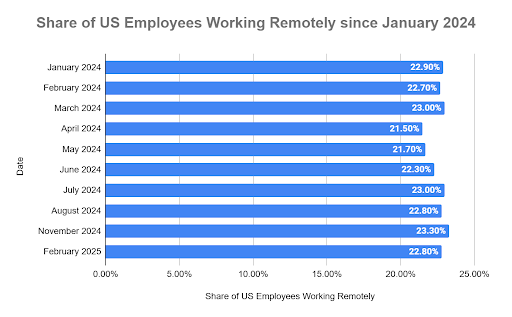
These aren’t temporary arrangements anymore. Companies have redesigned entire operations around distributed teams. They’ve invested in tools, updated policies, and reimagined what “workplace” even means.
But this shift came with unexpected complications. Flexibility has a flip side. Freedom creates new constraints. And solving old problems often reveals new ones.
The Upside: Why Remote Work Works
Flexibility That Actually Matters
Remote work gives people control over their time. Not just their work hours—their entire day.
This flexibility reduces stress significantly. People can manage life without choosing between career and personal responsibilities.
Productivity Gains (For the Right People)
Here’s something interesting: many employees get more done at home.
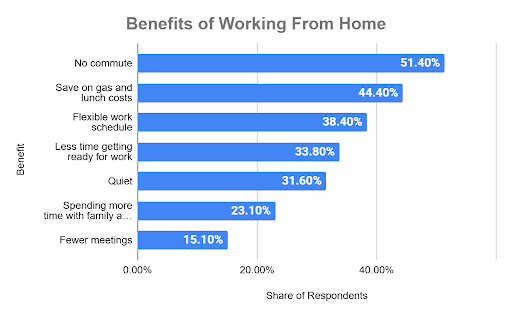
The average commute takes 54 minutes daily. That time goes back into productive work. Or rest. Either way, it’s not wasted sitting in traffic.
Home offices offer something else valuable—quiet. Deep focus work happens more easily without constant interruptions. No surprise meetings. No loud conversations three desks over. Just concentrated work time.
Real Cost Savings
For Employees:
- No commute expenses (gas, public transit, parking)
- Reduced spending on work clothes
- Fewer meals out
- Lower dry cleaning bills
For Employers:
- Smaller office space requirements
- Reduced utility costs
- Less spending on office supplies and amenities
- Lower facility maintenance expenses
These savings add up quickly. Companies can redirect those funds toward better technology or employee benefits.
Talent Without Boundaries
Geography no longer limits hiring. Need a specialist with rare skills? You can hire them anywhere.
This changes everything for recruitment. Companies access diverse talent pools. They build stronger teams. They’re not restricted to whoever lives within commuting distance of an office.
Remote-first companies report better candidate quality and faster hiring timelines.
People Stay Longer
Employees value flexibility. A lot.
Organizations offering remote work see lower turnover rates. People don’t leave jobs that respect their autonomy. They stay with companies that trust them to manage their own time.
The retention impact is measurable. And retention saves serious money on recruitment and training costs.
The Downside: Real Negatives of Working From Home
Isolation Hits Hard
People miss human connection. Office environments create accidental collaboration. Someone mentions a problem at lunch. Another person has the solution. Innovation happens. Remote work kills these spontaneous moments.
Team culture suffers when everyone works alone. New employees struggle to feel connected. Long-term employees feel disconnected from company changes.
When Work Never Ends
Remote work blurs boundaries dangerously. People check emails during dinner. They join calls on weekends. They feel guilty taking breaks because someone might need them.
This leads straight to burnout. Without physical separation between work and home, mental separation becomes nearly impossible.
Home Isn’t Designed for Work
Not everyone has a dedicated home office. Many people work from:
- Dining room tables
- Spare bedrooms shared with storage
- Living rooms with family traffic
- Even bedrooms
Poor ergonomic setups cause physical problems too. Kitchen chairs weren’t meant for 8-hour workdays. Laptop screens strain necks. Makeshift desks create back pain.
Security Becomes Complicated
Work-from-home concerns around security are legitimate. Distributed teams create vulnerabilities.
Home networks lack enterprise-grade security. Personal devices might not have proper protection. Public Wi-Fi access introduces risks. Data breaches become more likely.
Compliance gets messy when sensitive information lives outside controlled environments. Industries with strict regulations (healthcare, finance, legal) face particular challenges in managing remote access safely.
The Visibility Problem
Managers struggle with remote team oversight. Without seeing daily work patterns, problems hide. High performers go unnoticed. Struggling employees don’t get support. Workload imbalances develop invisibly.
Performance reviews become harder. Promotions feel arbitrary. Employees suspect unfairness when they can’t see how decisions are made.
What This Means for Employers?
| Remote Working Advantages | Remote Working Disadvantages |
| Lower operational costs | Productivity tracking challenges |
| Access to global talent | Compliance and security risks |
| Improved employee satisfaction | Weakened company culture |
| Reduced real estate expenses | Communication difficulties |
| Environmental benefits | Technology dependency |
| Flexibility in scaling | Management complexity |
How ProHance Addresses Remote Work Challenges
Remote work creates a visibility gap. ProHance fills it.
ProHance helps companies address work-from-home concerns systematically. It provides the data needed for informed decisions about resource allocation, project timelines, and team support.
The result? Remote work that actually works. Teams stay productive. Managers maintain visibility. Employees get appropriate recognition. And everyone operates from the same factual baseline.
The Bottom Line
The pros and cons of working at home don’t cancel each other out. They coexist. Every organization experiences both simultaneously. Ready to build a sustainable remote work model? Discover how ProHance provides the visibility and insights that make distributed teams successful.
FAQ
What are the negatives of working from home for employees?
Loneliness hits first. Team connections fade. Work never really ends when the office is also the bedroom. Collaboration feels clunky over video calls. Mental health takes a hit without clear work-life separation.
How can companies manage work-from-home concerns effectively?
Set clear boundaries around work hours. Give people proper equipment budgets. Check in regularly – but focus on support, not surveillance.
Use tools like ProHance for visibility without micromanaging. Create intentional moments for team bonding. And actually enforce time-off policies so people disconnect.
How does ProHance support remote workforce management?
ProHance shows what’s happening across distributed teams without excessive monitoring. It spots workload imbalances before burnout happens. Performance reviews become fair because they’re based on real data, not guesswork. Managers get the insights they need. Employees get credit for actual work done.
Learn how ProHance can help

Arvind Sagar
Arvind Sagar is a Senior Advisor at ProHance, bringing extensive experience in strategic advisory roles. He has worked across diverse industries including IT services, consulting, and business transformation. At ProHance, he guides enterprise clients in driving operational efficiency and digital transformation.
