




Duplex Stainless Steel Welding: A Complete Technical Guide
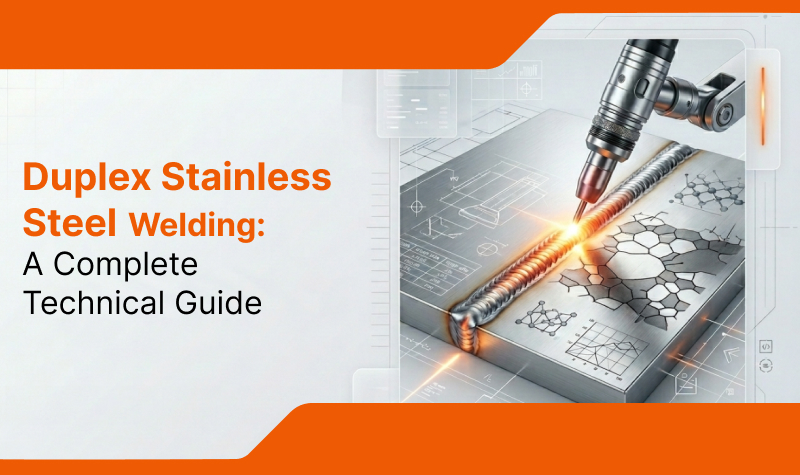
Welding high-performance duplex alloys requires more than standard techniques; it demands a precise metallurgical balance between austenite and ferrite. For those producing stainless steel railings, gates, furniture or kitchen equipment, achieving this balance is vital for structural integrity. A weld is a promise of durability, which is why following a specific duplex stainless steel welding procedure is essential for any professional workshop. These materials are designed for high-stress environments, so the focus must always remain on quality and precision.
The Science of the Duplex Balance
Duplex stainless steels consist of approximately 50% austenite and 50% ferrite, providing a unique combination of high strength and corrosion resistance. The primary challenge in duplex stainless steel welding is controlling the cooling rate. Rapid cooling can lead to excessive ferrite, while too slow cooling may form brittle intermetallic phases. Finding the correct heat input is critical to maintaining the material’s properties and ensuring stress-free usage for all fabrication needs.
This metallurgical duality is exactly what makes duplex steel superior to standard 300 series stainless steel in harsh environments. However, the internal chemistry reacts quickly to temperature changes. If the heat input is too high, the grain size grows excessively, reducing the toughness of the joint. Conversely, if the heat is too low, the austenite does not have enough time to reform, leaving the weld brittle and prone to cracking. Every bead must be laid with a focus on maintaining this equilibrium to ensure the best quality and consistent performance.
Selecting Technical Consumables
Choosing the right filler metal is a core requirement for success. To maintain the phase balance, filler materials are over-alloyed with nickel. This ensures that even after the arc’s intense heat, the weld pool retains the necessary chemical properties to form a strong joint.
- Duplex Stainless Steel Welding Electrodes: Standard grades require duplex stainless steel welding electrodes that match the base metal’s corrosion resistance while ensuring a fluid weld puddle.
- Super Duplex Stainless Steel Welding Electrodes: High-chloride environments necessitate super duplex stainless steel welding electrodes designed to handle higher chromium and molybdenum levels without cracking.
- Welding Accessories: Using high-quality accessories, such as the correct brushes and specialised tools, ensures the integrity of the stainless steel is never compromised by external contaminants.
Selecting compatible consumables is the first step in achieving a one-stop solution for all stainless steel fabrication needs. When the filler metal is perfectly matched to the base material, the risk of long-term failure is significantly reduced.
Technical Execution and Procedure
A successful weld relies on strict environmental controls and heat management to ensure the best quality and performance. Since duplex steel is sensitive to the welding environment, the preparation phase is just as important as the actual welding time.
- Preparation: Work areas must stay free from carbon steel dust and oils. Only dedicated stainless steel brushes should be used to prevent pitting corrosion. Any carbon steel particles left on the surface can cause rust, which defeats the purpose of using stainless steel.
- Heat Input: For standard duplex, the heat input should range from 0.5 to 2.5 kJ/mm. In super-duplex welding, this window is narrower to prevent the formation of harmful phases. Professionals must use calibrated equipment to ensure they are staying within these technical limits.
- Interpass Temperature: Monitoring temperature between passes is vital, as exceeding 150°C can significantly reduce corrosion resistance. If the material remains too hot for too long, the chromium and molybdenum can migrate, leaving it vulnerable to localised attack.
- Gas Usage: Adding a small percentage of Nitrogen to shielding or backing gases helps preserve the nitrogen levels in the weld metal, protecting the austenitic phase. This is a subtle but critical step in professional-grade fabrication.
Strict adherence to these steps ensures consistent quality and long-term reliability for the end user. Without a documented and followed procedure, the risk of rework increases, which can be costly and damaging to a workshop’s reputation.
Operational Efficiency in Stainless Steel Projects
Maintaining high standards requires a streamlined supply chain where quality and pricing remain stable. Superon Technik operates as a one-stop shop provider of all stainless steel consumables. We have designed our business model to allow your business to operate as a sole partner for all needs without committing to multiple dealerships or minimum order quantities.
For those requiring super-duplex welding materials alongside standard accessories, our one-country-one-price promise ensures that no distributor or partner feels cheated during procurement. We believe this transparency is essential when managing the costs of specialised technical projects using competitive pricing. By ensuring easy availability across India, we provide you with multiple options to procure high-quality materials without facing long downtime or project delays.
Common Technical Pitfalls
Even with the best materials, errors in technique can compromise the longevity of a project. Awareness of these pitfalls is the best way to prevent them:
- Over-grinding: Excessive friction can overheat the surface and alter the metallurgy of the joint. It is always better to aim for a first-time right weld bead than to rely on heavy grinding to fix aesthetic issues.
- Incorrect Tack Welding: Tacks must be made using the same filler metal and heat controls as the final bead. If a tack weld is poor, it creates a weak point in the final structure that can lead to failure under load.
- Neglected Purging: Failing to purge the back of a weld can cause oxidation, undermining the protective properties of stainless steel. This sugaring effect within a joint is a common cause of premature corrosion in industrial applications.
Avoiding these frequent mistakes is essential to maintain the high standards expected in modern stainless steel joining. When the process is handled with care, the result is a joint that is as strong as, if not stronger than, the base material itself.
Conclusion
Developing a comprehensive understanding of duplex alloys is a significant milestone for any metalworking professional. It requires a combination of disciplined technique, careful heat management and high quality consumables. By adhering to a validated technical approach and using reliable materials, you ensure that your work meets the highest industry standards. Consistency in quality and availability remains the foundation of a successful workshop in today’s competitive environment.
Optimise your high-performance fabrication with Superon Technik. Explore our premium range of duplex welding consumables today for flawless metallurgical balance!
Learn how ProHance can help
