




How to Facilitate an Effective “Ways of Working” Session with Your Team?
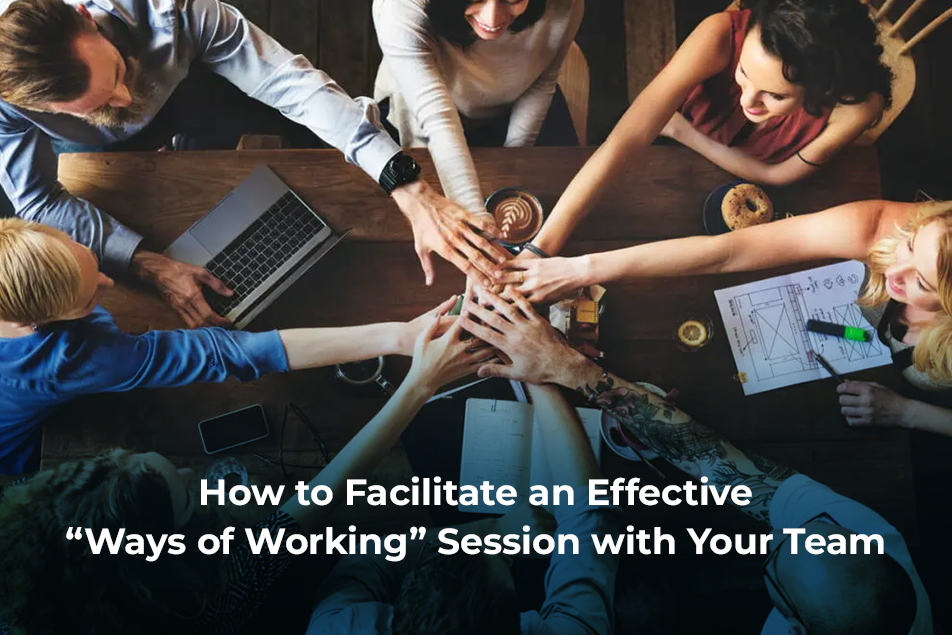
Remote work changed everything. Teams scatter across cities, time zones, and even continents. Quick desk visits? Now scheduled Zoom calls. But physical distance created invisible gaps.
People stopped knowing how their teammates preferred to work. Ways of working fill these gaps. It’s basically the instruction manual for how a team operates together. Not a policy document gathering dust somewhere. More like a practical agreement everyone helped create.
The framework typically addresses:
- Response times for different message types
- Meeting frequency and purpose
- Decision-making authority
- Preferred communication tools
- Escalation procedures
A way of working workshop carves out dedicated time for this conversation. Regular meetings have agendas packed with project updates and deliverables. This session? Entirely focused on improving team collaboration itself.
Today, we’ll discuss how to plan a way of working in a workshop.
What Makes These Ways Of Working Workshops Worth The Time?
Most teams operate on assumptions. A structured way of working workshop fixes that. Here’s what changes:
| What It Creates | Why It Matters |
| Shared clarity | Everyone knows what’s expected |
| Psychological safety | People feel comfortable raising issues |
| Faster execution | No more “I didn’t know” moments |
| Stronger culture | Open discussion becomes normal |
| Real accountability | Commitments get documented |
How To Prepare for the Ways of Working Session?
Skip the prep work and the session flops. Simple as that.
- Start by defining the goal: What specifically needs improvement?
- Get specific about outcomes: Establish outcomes that your team wishes to achieve.
- Next comes participant selection: Include everyone affected by potential decisions.
Pre-work helps tremendously. Send a quick survey beforehand asking:
- What collaboration practices work well currently?
- Where do bottlenecks or confusion typically occur?
- What would make daily work smoother?
These responses show the facilitator where to focus energy during the team discussion.
The physical or virtual setup matters more than it seems.
- For remote teams, pick a digital whiteboard tool everyone can access easily.
- For in-person meetings, grab markers and sticky notes.
The point is to make contributions easy and visible.
How To Run the Ways of Working Workshop? Step-by-Step Process
Kickoff (5–10 minutes)
Context setting comes first. Why did this session get scheduled? What should everyone expect to walk away with?
Share the agenda upfront. Cover ground rules for discussion—things like one person speaking at a time, assuming positive intent, focusing on solutions.
Celebrate What’s Working
Start with wins. Ask the team what’s going well right now. Beginning with strengths builds psychological safety. People relax. They remember they’re problem-solving together, not defending themselves.
Plus, highlighting what works prevents accidentally breaking it. Teams sometimes “fix” things that weren’t broken.
Identify Current Challenges
Now comes the real point of the conversation. Where do things actually break down?
Specific prompts help here:
- “Describe the last time a project got delayed—what caused it?”
- “Which processes require clarification most often?”
- “When do decisions take longer than they should?”
- “Where do communication gaps typically appear?”
Keep discussion system-focused. “Our approval chain has too many steps” works better than “Sarah takes forever to approve things.” The former suggests solutions. The latter creates defensiveness.
Build Agreements Together
This is where the way of working in a workshop delivers real value. The team creates practical guidelines they’ll actually use.
Communication norms
Get specific about channels and timing. Define response expectations clearly. “ASAP” means different things to different people. “Respond to direct messages within 2 hours during core hours” eliminates ambiguity.
Availability expectations
Core hours matter for distributed teams. Address time zone differences explicitly. Out-of-office protocols prevent confusion. Who covers what when someone’s away?
Meeting standards
Define what requires meetings versus async updates. Set participation norms. Cameras on or optional? Phones away? Okay to multitask or not?
Tool usage
Scattered tools create chaos. Agree on which tool serves which purpose. Establish naming conventions and folder structures.
Escalation paths
Things go wrong. Having clear escalation paths helps. Document this explicitly. Write everything down as decisions get made. Capture the exact language the team uses.
Prioritize and Commit
The team just generated lots of ideas. Not all carry equal weight.
Ask directly: “Which three changes would make the biggest difference this month?”
Focus energy there first. Trying to change everything at once changes nothing.
Tools That Make the Process Easier
The right tools reduce friction during the session.
- Digital whiteboards work well for remote teams. Miro, Mural, even Google Jamboard. The specific platform matters less than everyone being able to contribute simultaneously.
- Templates provide structure without rigidity. A simple shared document beats elaborate software if it’s accessible and editable.
Whatever tools get chosen, test them beforehand. Technical difficulties kill momentum.
Making Agreements Stick After the Ways of Working Session
The workshop creates a document. Now that the document needs to become an operational reality.
Share the final ways of working documents everywhere.
Post it in the team wiki. Pin it in the main Slack channel. Include it in onboarding materials. Add enough context that someone joining the team six months later
Integration matters most.
Add agreements to meeting templates. Reference them in project briefs. Build them into how work actually happens.
Set calendar reminders for check-ins.
Thirty days out, then quarterly after that. Review what’s working and what needs adjustment. Teams evolve. The ways of working should evolve, too.
Track impact
Use metrics the team already monitors:
- Deadline hit rate
- Meeting effectiveness scores
- Time spent on rework or clarification
- Team satisfaction survey results
Numbers tell the story better than feelings.
When These Ways of Working Workshops Matter Most
Some moments demand a way of working in a workshop more than others.
| Situation | Why It Helps |
| New team formation | Sets expectations before bad habits form |
| Leadership change | Reestablishes norms with new dynamics |
| Project kickoff | Aligns cross-functional groups quickly |
| Recurring problems | Addresses patterns instead of symptoms |
| Work model transitions | Creates structure for hybrid/remote shifts |
| Trust breakdowns | Rebuilds collaboration through clear agreements |
Building Better Teams Through Clarity
Strong teams don’t just happen. They get built through deliberate conversations about how work actually gets done. A ways of working workshop provides exactly that space.
Regular team discussion about collaboration itself needs to become normal. Questioning processes that aren’t working should feel safe, not risky. Suggesting improvements should be encouraged, not dismissed.
That’s the path from good teams to great ones.
FAQs
How long should one of these sessions last?
Budget 60-90 minutes. Smaller teams often finish faster. Larger teams or those tackling complex challenges might need the full timeframe.
Who should run the workshop?
Either the team manager or a neutral facilitator. Choose someone capable of guiding discussion without imposing their preferred outcomes.
What’s the difference between ways of working and team culture?
Culture describes how people behave and what they value—the feel of working together. Ways of working provides the practical framework supporting that culture—the specific processes and agreements enabling effective collaboration.
Learn how ProHance can help

Arvind Sagar
Arvind Sagar is a Senior Advisor at ProHance, bringing extensive experience in strategic advisory roles. He has worked across diverse industries including IT services, consulting, and business transformation. At ProHance, he guides enterprise clients in driving operational efficiency and digital transformation.
